
People with specialized health needs—from physical disabilities to autism and age-related conditions—rely deeply on family and hired caregivers.
But who protects the caregiver? The job is physically, mentally, and emotionally grueling, and true support is rarely available.
While this crisis ripples across the country, it hits particularly hard in rural and underserved communities.
In Michigan, caregiving is in disarray, says Eric Paad, the founder and head of the Marquette-based Caregiver Incentive Project (CIP), a nonprofit dedicated to ending the in-home caregiver shortage in the U.P. by providing free training, financial incentives, and support networks to caregivers and families.
“One of the main challenges is that it’s not a recognized job,” he says. “There’s no training, no standards, no oversight. People think it’s not a real job. But you’re caring for another human being. That’s as real as it gets.”
Paad started CIP seven years ago after his family struggled to find trained, reliable care for his daughter. Today the nonprofit works to end the in-home caregiver shortage in the U.P. Its Safe Hands class teaches safe transfers, personal care, CPR, Narcan use, and dementia care, along with how caregivers can protect their own health.
Read the full story, reported by Jennifer Donovan.
This story is part of a UPword series made possible by Superior Health Foundation.
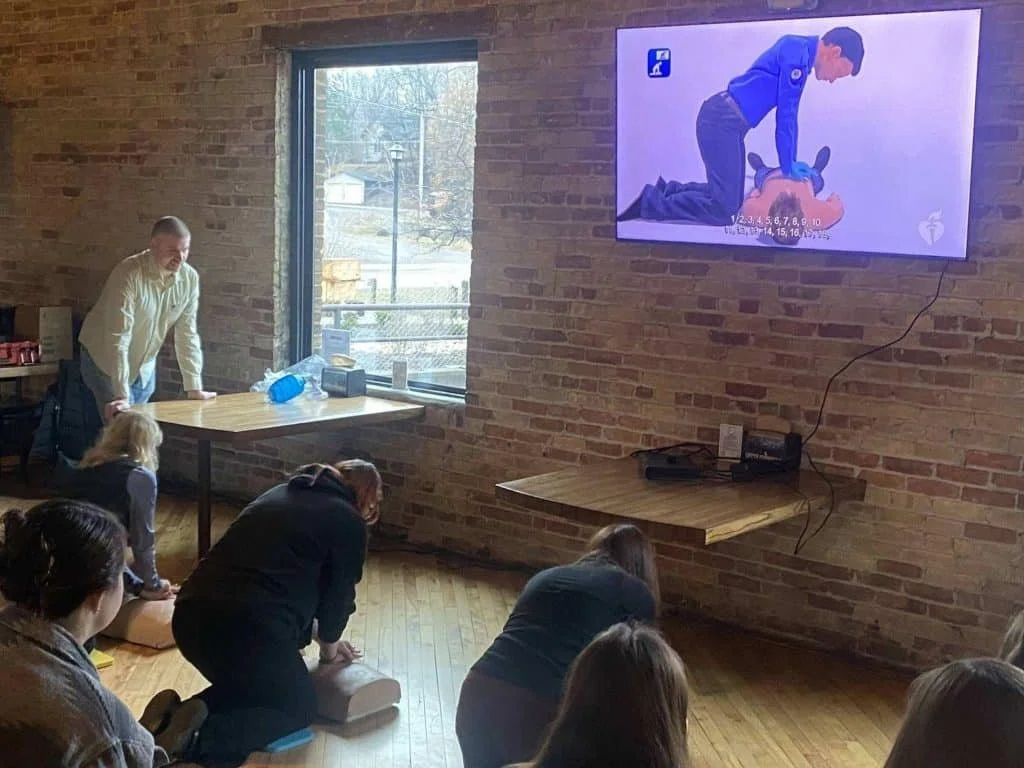
Photo credit: Caregiver Incentive Project. A caregiver practices CPR during training.